Digital Wellness Academy
Platform Courses For Individuals For Providers For Universities For Enterprises Pricing Sign in Apply for beta
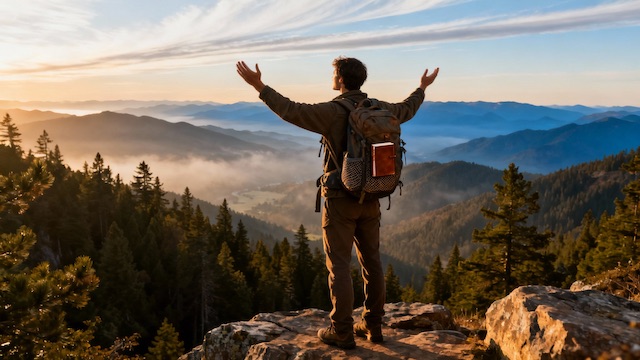
Adventure & Outdoor Mental Health: Nature Therapy & Ecotherapy course illustration on Digital Wellness Academy
Nature & Ecotherapy

Adventure & Outdoor Mental Health: Nature Therapy & Ecotherapy

Transform your mental health through nature's proven healing power—backed by Japanese forest bathing research, attention restoration theory, and wilderness therapy outcomes.

Learn evidence-based ecotherapy protocols including forest bathing (shinrin-yoku) that reduces cortisol and boosts NK cell immunity for 30 days, green exercise proven superior to indoor workouts for depression and anxiety, wilderness therapy techniques with documented trauma recovery, and attention restoration theory for cognitive renewal from decades of environmental psychology research.

✓ 20 Lessons ✓ 18+ Hours ✓ Evidence-Based ✓ Urban Adaptations Included

Create your Digital Wellness Academy account and start this course today. Working with a provider? They can add it to your care plan.

Access This Course → Practice Licensing Info

Course Description

Why Nature Heals: The Science of Ecotherapy and Outdoor Mental Health

The therapeutic power of nature has moved from folk wisdom to rigorous scientific validation. Ecotherapy is now backed by decades of research from environmental psychology, neuroscience, and clinical psychiatry. Japanese researchers studying shinrin-yoku (forest bathing) discovered that just 2 hours of forest exposure significantly reduces cortisol, lowers blood pressure and heart rate, decreases sympathetic nervous system activity, and boosts natural killer cell activity by 50%—with immune effects lasting up to 30 days after a single session. Stanford University's 2015 study found that 90-minute walks in natural settings reduced rumination and decreased neural activity in the subgenual prefrontal cortex (the brain region associated with depression risk), while urban walks showed no such benefits.

The biophilia hypothesis, pioneered by Harvard biologist E.O. Wilson, proposes that humans have an innate evolutionary tendency to seek connections with nature. This has been validated through neuroscience showing that viewing natural scenes activates the brain's reward centers and promotes parasympathetic nervous system activation, while urban environments with high traffic and noise trigger stress responses and sustained cortisol elevation. Attention restoration theory (Kaplan & Kaplan) explains that natural environments provide "soft fascination"—effortless attention that allows directed attention capabilities to replenish after mental fatigue.

Green exercise—physical activity in natural outdoor settings—produces mental health benefits beyond equivalent indoor exercise. A 2011 meta-analysis of 11 studies found that outdoor exercise was associated with greater feelings of revitalization, increased energy, and decreased tension, anger, and depression compared to exercising indoors. Just 5 minutes of green exercise produced measurable mood improvements, with the greatest effects observed near water.

What You'll Master in This Comprehensive 20-Lesson Course

This course provides evidence-based ecotherapy and nature therapy protocols specifically designed for depression, anxiety disorders, PTSD, chronic stress, attention deficit, and disconnection from natural rhythms. You'll learn authentic forest bathing (shinrin-yoku) techniques based on Japanese research protocols, green exercise strategies that maximize mental health benefits, wilderness therapy methodologies used in clinical programs for trauma and addiction recovery, and attention restoration theory applications for cognitive renewal and mental fatigue recovery.

The course covers adventure therapy principles using outdoor challenges as metaphors for personal growth, stress recovery theory explaining how natural environments trigger psychological restoration, and therapeutic outdoor activities including mindful hiking, rock climbing as resilience practice, and water-based flow state experiences. Whether you're seeking natural alternatives to medication, experiencing nature deficit from urban living, or a mental health professional wanting to prescribe nature therapeutically, this course provides the scientific foundation and practical techniques to harness nature's profound therapeutic power.

Who This Course Is For

  • Nature lovers seeking evidence-based outdoor mental health practices
  • Individuals feeling disconnected from natural environments
  • Those interested in adventure therapy and wilderness healing
  • Anyone wanting to harness nature's power for resilience and wellness
  • Mental health professionals wanting to prescribe nature therapeutically

What to Expect

  • Master forest bathing and mindful hiking techniques
  • Learn rock climbing as resilience metaphor and adventure therapy principles
  • Develop wilderness solitude and nature immersion skills
  • Create a personalized outdoor mental health plan

Research & Evidence Foundation

This course is built on peer-reviewed research from environmental psychology, clinical psychiatry, and neuroscience published in top-tier journals.

Japanese Shinrin-Yoku (Forest Bathing) Research

Published in Environmental Health and Preventive Medicine and International Journal of Immunopathology and Pharmacology, decades of Japanese research demonstrates profound physiological benefits. Studies by Dr. Qing Li found that 2-hour forest walks significantly decreased cortisol levels (13% average reduction), lowered blood pressure (systolic −6 mmHg, diastolic −3 mmHg), reduced heart rate, and decreased sympathetic nervous system activity. Most remarkably, forest exposure increased natural killer (NK) cell activity by 50%, with effects lasting 30 days after a single forest visit. Phytoncides (aromatic compounds released by trees) contribute to these benefits, with laboratory studies confirming that inhaling these compounds increases NK cells and anti-cancer proteins.

Stanford University Nature Walk & Depression Study

Published in Proceedings of the National Academy of Sciences (2015), Stanford researchers found that 90-minute walks in natural settings significantly reduced rumination (repetitive negative thinking) and decreased neural activity in the subgenual prefrontal cortex—the brain region showing increased activity in depression. Participants walking in nature reported lower rumination levels on the Ruminative Response Scale, while urban walkers showed no such improvements. Brain imaging revealed that nature exposure modulates neural activity in areas associated with risk for mental illness, providing a biological mechanism for ecotherapy's effectiveness in preventing and treating depression.

Green Exercise Meta-Analysis Research

Published in Environmental Science & Technology (2011), this systematic review examined 11 studies comparing green exercise to indoor exercise. Results: outdoor exercise associated with 26% greater revitalization, 17% more energy, 35% higher positive engagement, and reductions of 71% in tension, 45% in confusion, 58% in anger, and 67% in depression. Just 5 minutes of green exercise produced mood improvements and self-esteem increases, with maximal benefits observed near water (blue space). The research concluded that green exercise should be promoted as a cost-effective intervention for mental health.

Attention Restoration Theory Research (Kaplan & Kaplan)

Environmental psychologists Rachel and Stephen Kaplan's attention restoration theory (ART), published in Psychological Science and Journal of Environmental Psychology, explains how natural environments replenish depleted cognitive resources. Nature provides "soft fascination"—stimuli that capture attention effortlessly without requiring cognitive effort—allowing directed attention capabilities to recover. University of Michigan research found that nature walks improved memory and attention by 20%, while urban walks provided no cognitive benefit. The research demonstrates nature exposure improves performance on attention-demanding tasks, reduces mental fatigue, enhances working memory, and increases cognitive flexibility.

Stress Recovery Theory Research (Ulrich)

Roger Ulrich's stress recovery theory (SRT), published in foundational papers in Science and Landscape and Urban Planning, demonstrates that natural environments promote psychological restoration through automatic processes. His hospital window study found that surgical patients with views of trees had shorter hospital stays (7.96 vs. 8.70 days), required less pain medication, and had fewer complications compared to patients viewing brick walls. Research demonstrates nature exposure triggers rapid stress recovery—decreased blood pressure, heart rate, muscle tension, and skin conductance—within 3–5 minutes of exposure.

Wilderness Therapy Program Outcomes Research

Published in Journal of Therapeutic Schools and Programs and Journal of Clinical Psychology, a meta-analysis of 197 studies involving 15,628 participants found that wilderness therapy produced large effect sizes for self-esteem improvement (d=0.92), behavioral changes (d=0.82), and psychological well-being (d=0.49). Studies of programs combining adventure therapy with clinical treatment show particularly strong outcomes for trauma recovery, substance abuse treatment, and adolescent behavioral issues, with improvements maintained at 12-month follow-up assessments.

Nature Deficit Disorder & Urban Mental Health Research

Research published in Nature and Landscape and Urban Planning demonstrates the mental health consequences of nature disconnection. Urban populations show higher rates of anxiety disorders (21% increase) and mood disorders (39% increase). However, urban green space access mitigates these risks: individuals within 1 km of green space show 30% lower risk of common mental disorders. Danish research tracking 943,027 people found childhood green space exposure was associated with 55% lower risk of developing psychiatric disorders in adulthood, demonstrating nature's protective effects across the lifespan.

Clinical Applications

Ecotherapy and nature-based interventions are increasingly integrated into mental health treatment protocols. The American Psychological Association, UK's Mental Health Foundation, and Mind (UK mental health charity) all recognize nature therapy as evidence-based practice. Wilderness therapy programs are accredited by the Outdoor Behavioral Healthcare Council, and forest therapy is practiced worldwide through certified guides trained in Japanese shinrin-yoku protocols.

Frequently Asked Questions

How does nature actually improve mental health? What's the scientific mechanism?

Nature improves mental health through multiple powerful biological and psychological mechanisms working simultaneously:

  • Stress system regulation: Natural environments trigger parasympathetic nervous system activation within 3–5 minutes, reducing cortisol levels by 13%, lowering blood pressure (6/3 mmHg average), and decreasing heart rate.
  • Immune system enhancement: Forest bathing phytoncides (aromatic compounds from trees) increase natural killer cell activity by 50%, boosting immune function for up to 30 days after a single 2-hour forest exposure.
  • Attention restoration: University of Michigan research found 50-minute nature walks improved memory and attention by 20%, while urban walks showed no cognitive benefit.
  • Reduced rumination: Stanford brain imaging found 90-minute nature walks decreased activity in the subgenual prefrontal cortex associated with depression and repetitive negative thinking.
  • Biophilia response: Viewing natural scenes activates reward centers in the brain (ventral striatum, medial prefrontal cortex), creating positive emotional responses hardwired into human neurobiology.

Unlike medication targeting a single neurotransmitter system, nature exposure works through multiple pathways simultaneously—reducing stress hormones, enhancing immune function, restoring cognitive capacity, improving mood, and promoting physical activity—with zero negative side effects.

What is forest bathing (shinrin-yoku) and how do I practice it?

Shinrin-yoku, literally "forest bathing," is a Japanese practice developed in the 1980s and rigorously studied for its mental and physical health benefits. Unlike hiking (exercise-focused and goal-oriented), forest bathing is slow, mindful immersion in the forest atmosphere using all five senses.

Basic forest bathing protocol:

  • Duration: Aim for 2–4 hours, though even 20–30 minutes provides measurable benefits.
  • Pace: Walk very slowly (about 1–2 miles total). This is not exercise—the goal is sensory awareness, not distance covered.
  • Sensory engagement: Notice the colors and patterns of leaves, listen to birdsong and wind, feel different textures of bark and moss, smell the earthy forest floor, breathe deeply to inhale phytoncides.
  • Sitting practice: Spend 20–30 minutes sitting quietly in one spot, simply observing the forest without agenda or distraction.
  • Phone-free: Leave devices behind or on airplane mode. Attention restoration benefits require disconnection from digital stimulation.

Greatest benefits occur in mature forests with high biodiversity. However, any wooded area—even urban parks with tree cover—provides significant mental health benefits compared to built environments.

Why is outdoor exercise (green exercise) better than indoor exercise for mental health?

Green exercise produces significantly greater mental health benefits through synergistic mechanisms. Meta-analysis of 11 studies found green exercise associated with: 26% greater revitalization, 17% more energy, 35% higher positive engagement, and reductions of 71% in tension, 45% in confusion, 58% in anger, and 67% in depression versus indoor exercise.

Why the outdoor advantage exists:

  • Dual pathway activation: Exercise increases BDNF, neuroplasticity, dopamine, and serotonin, while nature simultaneously reduces cortisol and activates the parasympathetic nervous system. You get both movement benefits AND nature benefits.
  • Sensory richness: Natural environments provide constantly changing, non-repetitive stimuli (varying terrain, weather, wildlife, scenery) that engage attention without causing cognitive fatigue.
  • Circadian alignment: Outdoor exercise provides natural light exposure that helps regulate circadian rhythms, improving sleep quality and mood regulation.
  • Perceived effort: Studies show outdoor exercise feels easier at the same physiological intensity, making it more sustainable for people with depression who struggle with motivation.

Just 5 minutes of green exercise produces measurable mood improvements; maximal benefits occur near water. This doesn't mean indoor exercise has no value—but taking your exercise outdoors amplifies benefits substantially.

I live in a city with limited access to nature. Can I still benefit from this course?

Absolutely. Research shows even modest urban nature exposure produces significant mental health improvements:

  • City parks: Just 120 minutes per week in urban green spaces provides substantial benefits. A single 20-minute park visit reduces cortisol and improves mood.
  • Street trees: Walking tree-lined streets versus concrete streets produces measurable stress reduction and attention restoration.
  • Community gardens: Active engagement with urban nature shows particularly strong mental health outcomes, combining nature exposure, physical activity, social connection, and sense of purpose.
  • Window views and indoor plants: Roger Ulrich's hospital window study found views of trees (versus brick walls) improved recovery times and pain management.
  • Weekend nature trips: A single 2-hour forest bathing session produces immune system benefits lasting 30 days—making strategic weekend excursions highly cost-effective.

Danish research tracking 943,027 people found urban residents within 1 km of green space had 30% lower risk of common mental disorders. The course includes specific lessons for urban nature therapy with practical adaptations for city dwellers.

Can adventure therapy and wilderness therapy help with trauma and PTSD?

Yes. Adventure therapy and wilderness therapy address trauma through unique mechanisms that complement traditional talk therapy:

  • Body-based processing: Trauma is stored in the body and nervous system. Adventure activities (rock climbing, challenging hikes, navigating rapids) require embodied presence—connecting you to your body in safe, empowering ways rather than through threat responses.
  • Metaphorical healing: Successfully climbing a difficult pitch or completing a challenging hike provides concrete evidence of capability and resilience that transfers to psychological healing.
  • Nervous system regulation: Natural environments activate the parasympathetic nervous system, helping reset the chronically activated sympathetic nervous system (fight-or-flight) that characterizes PTSD.
  • Safe risk-taking: Adventure therapy provides chosen, controlled risks that rebuild trust in self and environment—unlike trauma's uncontrollable threat.

Meta-analyses show wilderness therapy large effect sizes: self-esteem d=0.92, behavioral changes d=0.82, psychological well-being d=0.49—maintained at 12-month follow-up. Adventure therapy works best as complement to evidence-based trauma therapies like EMDR, CPT, or PE, not as replacement for severe PTSD.

What if I have physical limitations or health conditions that restrict outdoor activities?

The mental health benefits of nature exposure do not require physical fitness or strenuous activity. Research shows even passive nature engagement provides significant therapeutic effects:

  • Seated forest bathing: You can practice authentic shinrin-yoku while sitting on a bench or in a wheelchair—benefits come from sensory immersion, not physical exertion.
  • Accessible outdoor spaces: Many parks, botanical gardens, and nature centers have wheelchair-accessible paths and adaptive outdoor equipment.
  • Window views and indoor nature: Even viewing nature through windows improves recovery outcomes, reduces stress, and enhances mood.
  • Nature sounds: Listening to nature sounds (birdsong, flowing water, wind) reduces stress and improves cognitive performance.
  • Horticultural therapy: Gardening and interacting with plants—even container gardening or indoor plants—provides therapeutic benefits through nurturing living things and sensory engagement.

The course provides modifications for every outdoor activity. Nature's therapeutic power is remarkably democratic—it doesn't require athletic ability, expensive equipment, or perfect physical health. What matters is intentional, mindful engagement with natural environments at whatever level your body allows.

Course Lessons

Lesson 2: Adventure Therapy Principles and Applications
Lesson 3: Eco-Psychology and Our Connection to Place
Lesson 4: Mindful Hiking and Walking Meditation
Lesson 5: Rock Climbing as Metaphor for Mental Resilience
Lesson 6: Water Activities and Flow States
Lesson 7: Forest Bathing and Shinrin-yoku Practices
Lesson 8: Wilderness Solo Retreats and Solitude Practice
Lesson 9: Adventure-Based Team Building and Social Skills
Lesson 10: Seasonal Mental Health and Outdoor Rhythms
Lesson 11: High-Altitude Adventures and Mental Clarity
Lesson 12: Desert Wilderness and Contemplative Practice
Lesson 13: Ocean and Coastal Mental Health Benefits
Lesson 14: Wildlife Observation and Interconnection Awareness
Lesson 15: Extreme Weather as Teacher and Challenge
Lesson 16: Backcountry Camping and Self-Reliance Skills
Lesson 17: Photography and Nature Journaling for Mindfulness
Lesson 18: Geocaching and Outdoor Adventure Gaming
Lesson 19: Adventure Sports for Thrill and Flow
Lesson 20: Creating Your Personal Outdoor Mental Health Plan

Course Features

  • 20 Interactive Lessons
  • 18+ Hours of Content
  • Mobile & Desktop Access
  • Lifetime Access
  • Evidence-Based Content
  • Crisis Support Included

⚠ Crisis Support

If you or someone you know is experiencing a mental health crisis, call or text 988 (Suicide & Crisis Lifeline) for immediate support.

Explore Full Library

Access all 29 evidence-based courses covering every dimension of mental wellness.

View All Courses →

Ready to Harness Nature's Healing Power?

Join thousands learning evidence-based mental health strategies. Create your account to start, or ask your provider or organization about access.

Create your account →

More from our network

🚀SoloFrameHub

Two AI-native academies for founders. GTM OS is the go-to-market operating system you run your day in; 60-Day Founder turns an idea into investor-ready proof.

🧠SVTech AI

Build vertical AI products with platform discipline.

🩺SVTech Digital

The operating system for psychiatric practice growth.

💼BizFrameHub

BizFrameHub: practical AI for professionals. TradesOS: run a more profitable trade business.

🗣️SVTech English

Master business English for tech professionals.

🇨🇴Colombia Conversa

Master Colombian Spanish. Discover Bogotá.